

¿Qué vas a encontrar aquí?
Visiting a zoo can be an enriching experience. Not only does it foster a love for animals and nature, but it also creates an opportunity to learn together. Watching children react to and marvel at creatures can be truly special and can inspire future generations to take an interest in conservation and environmental protection. A day at the zoo can become an unforgettable life lesson. That’s why we’re going to get to know the 10 best zoos in Mexico to organize an upcoming visit with the whole family.
Top 10 Zoos in Mexico
Chapultepec Zoo
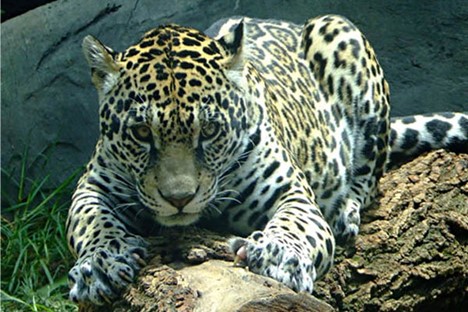
The Chapultepec Zoo, located in Mexico City, is one of the most important and oldest zoos in Latin America. Founded in 1924, it is part of the Chapultepec forest. It is home to a wide variety of animals, including mammals, birds, reptiles, and amphibians, with a focus on the conservation of Mexican and endangered species.
The enclosures are designed to mimic the animals’ natural habitats, helping to promote their welfare and making it easier to educate the public about wildlife. The zoo offers educational programs for schoolchildren and visitors, including workshops, talks, and interactive exhibits that encourage learning about biodiversity and conservation. She participates in various conservation initiatives, both locally and internationally, focusing on the protection of at-risk species and habitat restoration.
The Chapultepec Zoo is not only a space to observe animals, but it is also part of the cultural heritage of Mexico City. The fact that its admission is free makes it a family and community meeting place, where love and respect for nature is promoted, allowing more people to enjoy it and learn about wildlife.
Guadalajara Zoo
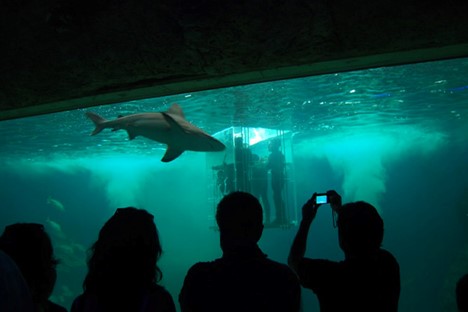
The Guadalajara Zoo in Jalisco is one of the most prominent zoos in the country and offers a unique experience for both visitors and animals. Founded in 1988, it combines elements of a zoo, aquarium and adventure park. The zoo is home to a wide variety of animals, including mammals, birds, reptiles, and aquatic species. It focuses on the conservation of both local and international species.
The habitats are designed to mimic the animals’ natural ecosystems, which promotes their well-being and allows visitors to observe their behavior in a more natural environment. The aquarium features a wide range of marine species, offering an educational experience about life in the oceans.
The zoo participates in various conservation initiatives, including captive breeding programs and reintroduction projects for endangered species. It also has educational programs for schools and visitors that include talks, workshops, and interactive activities where they teach the importance of conservation.
The Guadalajara Zoo is not only a place of recreation, but also a center of education and awareness about biodiversity and environmental challenges. It is a popular destination for families and tourists, and plays an important role in the local community.
Monterey Zoo

The Monterrey Zoo, known as La Pastora Zoo, is one of the most important zoos in Mexico. Inaugurated in 1975, located in the municipality of Monterrey, Nuevo León, it stands out for its focus on conservation and environmental education. The zoo is home to more than 700 animals of various species, including mammals, birds, reptiles, and more. Emphasizing local species in danger of extinction.
The enclosures are designed to mimic the animals’ natural habitats, helping them to behave more naturally and feel more comfortable. The zoo participates in conservation programs, including captive breeding of endangered species and reintroduction projects into their natural habitat, while also offering various educational programs, talks, and workshops for visitors of all ages.
The zoo has adequate facilities to ensure a good experience for visitors, including rest areas, food services, and access for people with disabilities. The Monterey Zoo is an important tourist destination for families in the region and at the same time plays a fundamental role in environmental education, helping to raise awareness about the importance of caring for the environment and wildlife.
San Juan de Aragón Zoo
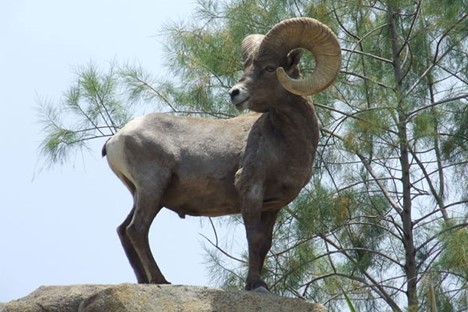
The San Juan de Aragón Zoo, located in the municipality of San Juan de Aragón in Mexico City, is a space dedicated to conservation and education about wildlife. Inaugurated in 1991, it is part of the San Juan de Aragón National Park, a green area that offers various recreational activities.
The zoo is home to a wide range of animals, including mammals, birds, reptiles, and amphibians. It has species native to Mexico and other parts of the world. Creating habitats as close as possible so that animals can exist in a suitable environment. It offers activities and workshops for schools and groups, promoting knowledge about biodiversity and the importance of its conservation of endangered species.
One of its most outstanding features is that admission is free, and for the convenience of visitors it includes rest areas and food services.
Africamsafari
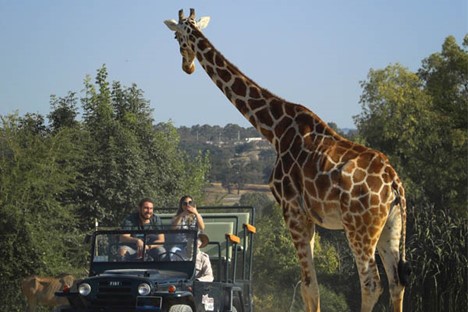
Africam Safari is a zoo founded in 1972 that offers a unique experience combining a traditional zoo with a safari that allows visitors to tour the park in their own or park vehicles, offering the opportunity to observe the animals in an environment that simulates their natural habitat.
The park is home to a wide variety of animals, including species from Africa and other parts of the world. You can see lions, giraffes, elephants, rhinos, and a variety of birds. In addition to animal exhibits, Africam Safari has recreational areas, food services, and rest areas, making it an ideal destination for families.
Africam Safari focuses on the conservation of endangered species and participates in captive breeding and reintroduction programs, as well as wildlife research projects. The park offers educational programs for schoolchildren and groups, in order to raise awareness about biodiversity and the importance of ecosystem conservation.
The Zoomat of Chiapas
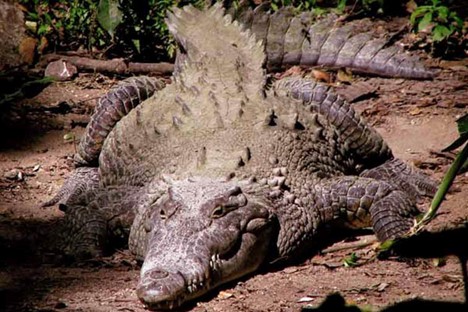
The Zoomat, short name of the Miguel Álvarez del Toro Zoo, located in Tuxtla Gutiérrez, the capital of the state of Chiapas. Opened in 1972, this zoo stands out for its commitment to the conservation of local species in the region. This makes it a point of attraction for tourists and not only locals, becoming a family meeting place and an important resource for the state.
The zoo is mainly home to species of Chiapas fauna, such as jaguars, ocelots, crocodiles, birds and primates. It allows visitors to learn about the diverse fauna of the region. The zoo has conservation programs that include the captive breeding of endangered species, educational activities, workshops and guided tours, making it a space of great value for environmental education and awareness about biodiversity due to its commitment to the study of Chiapas fauna.
Benito Juarez Zoo
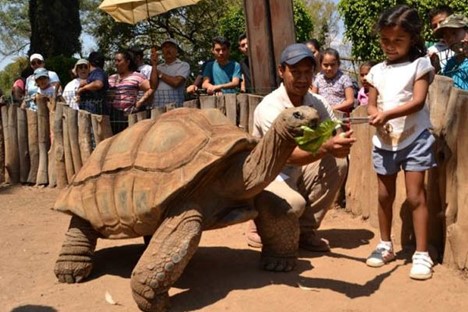
The Benito Juárez Zoo in Veracruz, Mexico, is a place that promotes wildlife conservation and environmental education. Opened in 1975, it has become a major attraction for visitors to the region. The zoo has adequate facilities for visitors, including rest and feeding areas, and is accessible for people with disabilities.
The zoo is home to a diversity of animals, including mammals, birds, reptiles, and species endemic to Mexico. Its focus is directed towards the conservation of endangered species and education about the biodiversity of the region, providing them with habitats that simulate their natural environments.
The zoo offers educational programs and workshops for school groups, raising awareness of the importance of conservation and respect for wildlife. It is an important educational and recreational resource for the community. Becoming a meeting place for families and tourists.
Wameru Zoo
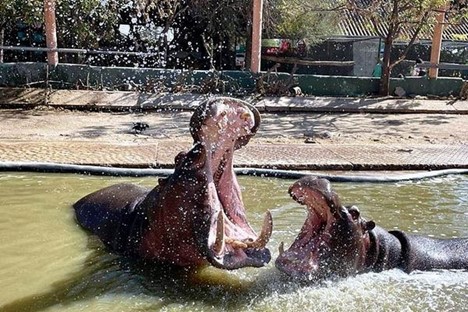
The Wameru Zoo in Querétaro is a space dedicated to conservation and education about wildlife. Located in the municipality of Querétaro, this zoo has become an important resource for the community and visitors.
The zoo is home to a variety of animals, including mammals, birds, reptiles, and species endemic to Mexico. Its focus includes the conservation of endangered species and the promotion of biodiversity and participates in conservation and education initiatives, including captive breeding of endangered species and awareness programs on the importance of conservation. It offers workshops, talks and activities for school groups and the general public, promoting awareness of biodiversity and environmental protection.
The Querétaro Zoo is a valuable resource for the community, promoting environmental education and fostering respect for nature. It attracts both locals and tourists, becoming a place of recreation and learning.
Yumka Protected Area

The Yumka Protected Area is located in the state of Tabasco, Mexico. It is an ecosystem of great biodiversity that combines jungles, swamps and rivers. This place is known for being a refuge for various species of flora and fauna, some of which are in danger of extinction.
They also often have educational exhibits where you can get information about the area, its ecosystems, and the species that inhabit it. There are marked paths that allow you to explore the jungle and observe the flora and fauna. Some trails are accessible to people with reduced mobility, there are also platforms and viewpoints where visitors can spot birds and other animals in their natural habitat. For those looking for more adventure, there are spaces for camping in the middle of nature, walks along the rivers and swamps, where you can observe aquatic life and other animals, such as crocodiles.
It is an important center for conservation and environmental education. It offers activities such as hiking, bird watching, and boat tours, allowing visitors to enjoy and learn about the region’s natural wealth.
In addition, the area is part of a broader effort to protect tropical ecosystems and promote sustainability in the area.
Xcaret Zoo
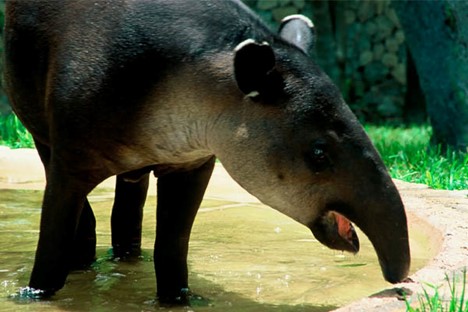
The Xcaret Zoo, located in Xcaret Park in the Riviera Maya, is a space that combines wildlife, conservation, and environmental education. Part of the famous ecotourism park, this zoo focuses on Mexican biodiversity and offers visitors the opportunity to learn about the region’s fauna and flora.
The zoo is home to a wide variety of animals, most of them native, including jaguars, pumas, deer, tropical birds, and reptiles. The objective is to encourage the conservation of endangered species and promote respect for biodiversity. The habitats are designed to mimic the animals’ natural environments, contributing to their well-being and allowing visitors to observe their behavior in more authentic conditions.
The zoo participates in conservation and environmental education programs, offering activities and talks that raise awareness among visitors about the importance of protecting wildlife and their habitats. It also offers a focus on Mexican culture, combining wildlife with activities that celebrate the country’s cultural heritage, enriching the visitor experience.
Things to consider on your next visit to the zoo
Here are some key recommendations for a visit to the zoo:
1- Respect the barriers and Stay behind the fences and railings. They are there for your safety and that of the animals.
2- Do not feed animals, remember that human food can be harmful to them.
3- Follow the signs, indications and rules of the zoo.
4- Keep the noise low, that can stress and scare the animals.
5- Make sure you do not leave garbage that can be dangerous for animals.
6- Supervise children and teach them to follow the rules and behave in a safe and respectful way with animals.
7- Take advantage of the talks and demonstrations and encourage the little ones to participate and to learn more.
Doing this not only ensures your safety and enjoyment, but also the zoo’s animals.
Importance of zoos
Importance in education
Knowledge and Awareness: Zoos offer a unique opportunity for people to learn about species diversity, their habitats, and behaviors. Through exhibits, talks, and educational programs, visitors can better understand wildlife.
Fostering Respect: By observing animals in person, people often develop a greater respect and appreciation for nature, which can lead to more environmentally responsible behaviors.
Educational Programs: Many zoos offer school programs and workshops that encourage hands-on learning and research on topics related to biology, ecology, and conservation.
Importance in conservation
Species Conservation: Zoos play a crucial role in the conservation of endangered species through captive breeding programs. Not only does this help maintain healthy populations, but it also allows species to be reintroduced into their natural habitat.
Research: Many zoos engage in scientific research that helps to better understand the needs of species and the challenges they face in the wild. This information is vital to implementing effective conservation strategies.
Conservation Awareness: By educating the public about the threat many species face due to habitat loss, climate change, and poaching, zoos foster a sense of urgency and responsibility to act on behalf of the environment.
Conclusion
Zoos are not only places of entertainment, but also important centers for education and conservation. Through their work, they help create a deeper connection between people and wildlife, promoting a more sustainable future for our planet.
Leave a Reply