
¿Qué vas a encontrar aquí?
Mexico City, the vibrant and dynamic capital, is an extraordinary destination boasting a rich tapestry of sights and activities. With a population of over 21 million, it is the largest metropolis in Mexico and one of the most populous cities in the world. In this comprehensive guide, we will delve into the top 10 places to visit in Mexico City, each offering a diverse and captivating range of experiences.
To explore Mexico’s history and culture, visit the National Museum of Anthropology and Chapultepec Castle. These sites offer an engaging and educational way to delve into the country’s rich past. From ancient ruins to bustling markets and from world-class museums to vibrant neighborhoods, Mexico City is a treasure trove waiting to be explored. So, pack your bags, prepare to immerse yourself in this beautiful country’s energy, and set off on an unforgettable journey of discovery!
Top 10 Best places to visit in Mexico City
1. The National Museum of Anthropology
The National Institution of Anthropology, located in Mexico, is a renowned establishment that holds a significant position in the minds of individuals who possess a keen interest in the domains of history and culture. The museum contains an extensive assemblage of artifacts from the Aztec and Mayan civilizations that date back to the pre-Columbian period. The exhibitions encompass a diverse array of artifacts such as sculptures, pottery, jewelry, and other historical remnants that offer crucial insights into the customs and traditions of past civilizations.
In my opinion, the exhibition of the Aztec Hall stands out as the most splendid display at the museum. The Aztec Calendar Stone, renowned globally, is available for viewing at this location. The object in question has a mass exceeding 24 metric tonnes and a circumference of approximately 12 feet. During the 18th century, a stone was unearthed by individuals who believed it to be an Aztec sacrificial altar. The aesthetic appeal of the museum’s courtyard is exceptionally high. The location features a sizable body of water and a cascading waterfall, providing an aesthetically pleasing retreat for visitors seeking respite and an opportunity to appreciate the picturesque surroundings.
2. Chapultepec Castle
One of the few castles in North America, Chapultepec Castle, may be found in Mexico City. The castle was constructed in the 18th century and served as a military academy before becoming the presidential residence of Mexico. It has been turned into a museum, and exciting excursions of its halls are available.
In one of the world’s largest urban parks—Chapultepec Park—you’ll find a castle perched atop a hill. The views of the city skyline from the castle are stunning. You may also visit the Chapultepec Zoo, the Museum of Modern Art, and the National History Museum while you’re here.
3. Xochimilco

Xochimilco is a lovely and unique neighborhood in Mexico City. It is well-known for its river system and floating gardens. This location is well-known among both visitors and residents. It was designated a UNESCO World Heritage Site. Take a leisurely boat trip while observing the stunning environment. You may also enjoy live music and a delicious meal at one of the floating restaurants.
Xochimilco is well-known for its traditional markets, where you can purchase handcrafted items, fresh fruits and vegetables, and delectable meals. The area is rich in cultural treasures. Its architecture, music, and art reflect Aztec and Spanish influences.
http://www.xochimilco.cdmx.gob.mx/
4. Frida Kahlo Museum

When visiting the Frida Kahlo Museum, guests can fully engage with the life and work of the renowned Mexican artist. The museum’s vast assortment of exhibits allows visitors to explore Frida’s personal items, art pieces, and keepsakes, offering a deep connection to her life. Located within the Blue House, where Frida resided with Diego Rivera, guests can tour her studio, kitchen, and garden.
The museum also features displays of her art, including self-portraits and sketches, along with her extensive wardrobe and jewelry collection. In addition, the museum’s changing exhibits and interactive presentations offer a comprehensive insight into Frida’s life, art, and enduring influence, resulting in an incredibly memorable visit.
https://www.museofridakahlo.org.mx/
5. Palacio de Bellas Artes

At the Palacio de Bellas Artes, visitors will actively engage with Mexico’s rich cultural heritage. The palace’s stunning architecture and beautiful gardens set the stage for an unforgettable experience. Guests will discover an impressive collection of Mexican art, including works by Diego Rivera, Frida Kahlo, and José Clemente Orozco.
Additionally, the exhibits showcase European art, sculpture, and decorative arts, as well as rotating exhibitions featuring contemporary artists. The palace’s Art Nouveau and Art Deco details, including its stunning glass ceiling, are a must-see.
6. Museo del Templo Mayor
The Templo Mayor Museum, inaugurated in 1987, showcases the archaeological findings from the site of the ancient Mexica Main Temple. Visitors can explore the museum’s collection, which reveals the political, military, and aesthetic significance of the city that dominated Mesoamerica before the arrival of the Spaniards.
The museum houses a variety of artifacts, including the Coyolxauhqui monolith, a massive stone sculpture depicting the goddess Coyolxauhqui, Huitzilopochtli’s sister. It also features exhibits on ritual and sacrifice, tribute and commerce, flora and fauna, and agriculture. In addition to the permanent collection, the museum also hosts temporary exhibitions, workshops, and other events.
https://templomayor.inah.gob.mx/
7. Plaza de la Constitución (the “Zócalo”)
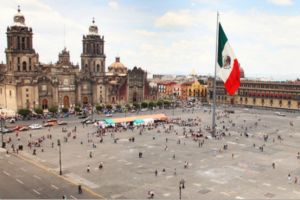
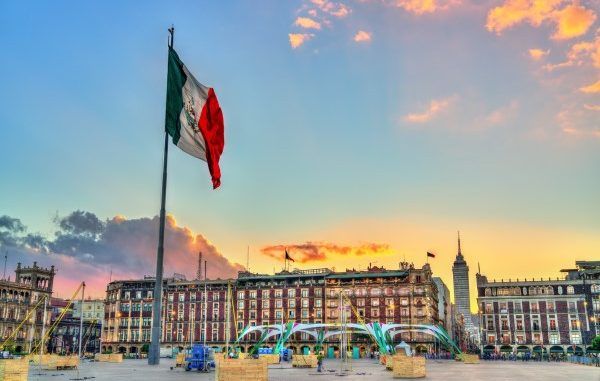
The Plaza de la Constitución, commonly referred to as the Zócalo, holds significant historical and cultural importance in Mexico City. Once the heart of the ancient city of Tenochtitlan, it continues to serve as a central gathering place for cultural events, political assemblies, and daily activities.
Encircling the Zócalo are some of Mexico City’s most renowned landmarks, such as the Metropolitan Cathedral, the National Palace, and the Antiguo Palacio del Ayuntamiento. This vibrant area hosts diverse events ranging from concerts and parades to public ice skating rinks and art displays. Tourists have the opportunity to explore the surrounding structures, immerse themselves in the lively ambiance, and delve into the rich history of this significant plaza.
8. National Palace
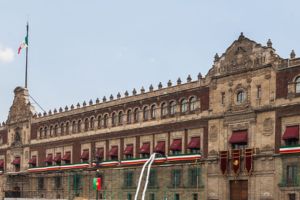
The National Palace, situated on the eastern side of the Zócalo, is a majestic edifice steeped in centuries of history. Initially constructed by Hernán Cortés atop the residence of Moctezuma, it has been a central seat of governance for generations. The palace stands as a living testament to Mexico’s rich heritage and visitors can delve into its storied past through guided tours.
Notably, the palace is adorned with Diego Rivera’s renowned murals, which vividly depict the nation’s history. In addition to being a historical treasure, the palace continues to serve as the backdrop for significant official events such as the Cry of Dolores ceremony on September 15th, further solidifying its position as a symbol of Mexican national identity.
9. Metropolitan Cathedral
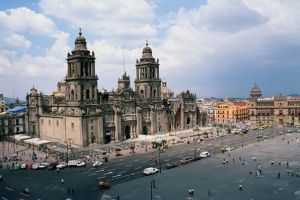
Travelers exploring the Metropolitan Cathedral will discover that it lies on top of the former site of the Templo Mayor, the main temple of the Aztec empire. Construction of the Cathedral began in 1573 around a smaller church. It currently stands as the oldest and largest cathedral in Latin America. Those touring the expansively ornate interior will see its lavishly decorated naves and chapels which draw people from around the globe.
Moreover, the Cathedral contains significant historic organs that emanate Spanish Baroque sounds throughout the sacred space. Digital scanning by CyArk additionally preserves the building’s intricate architecture and details for future generations. Truly, there is much for anyone to experience within this monument of Mexico’s indigenous and colonial histories.
https://mexicocity.cdmx.gob.mx/venues/metropolitan-cathedral/
10. El Ángel de la Independencia
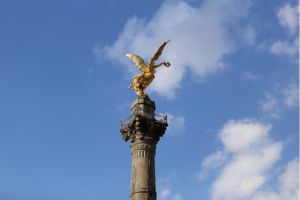
The Angel of Independence monument offers many things to see and discover. Located on Paseo de la Reforma, it stands prominently over the roundabout. At the base, visitors will find bronze sculptures representing law, war, justice, and peace. Climbing the 36-meter-tall column leads to an observation deck, which is rarely open.
At the top, a 6.7-meter statue of Nike, the Greek goddess of victory, holds a laurel wreath above Miguel Hidalgo’s head. Additionally, the monument houses the remains of 14 heroes from the Mexican War for Independence. Exploring the site, visitors can learn about their contributions while enjoying panoramic views of Mexico City from high above. This iconic landmark truly offers a wealth of experiences.
https://mexicocity.cdmx.gob.mx/venues/el-angel-independencia/
Things to bear in mind when visiting places in Mexico City
Mexico City is a city that boasts of rich culture and tradition. That’s why visiting it requires one to be vigilant and mindful of certain aspects to ensure a safe and enjoyable experience. Here are some salient tips:
Safety Measures
As with any metropolitan area, Mexico City has its share of security concerns and criminal activities. Being alert and aware of one’s environment, especially at night and in unfamiliar locations, is crucial. Carrying significant amounts of cash is not advised, and it is important to keep valuable items close at hand. Staying within well-lit and populated areas and using credible taxi or ride-sharing services is also recommended.
Cultural Awareness
Mexico City is a melting pot of diverse cultures and traditions, some of which may differ from one’s own. Respecting the local customs and cultures is paramount. Dressing modestly while visiting religious sites such as temples and churches is mandatory. Moreover, one should be cautious of their conduct in public since some behaviors considered acceptable in one’s home country may be inappropriate or disrespectful in Mexico.
Language
While Spanish is the principal language spoken in Mexico City, English is also commonly spoken, particularly in tourist areas. Learning fundamental Spanish phrases before the visit can aid in communication and demonstrate an interest in the local culture.
Altitude
At an altitude of 7,300 feet (2,240 meters) above sea level, Mexico City can cause altitude sickness in some people. Drinking plenty of water, avoiding alcohol and caffeine, and taking it easy during the initial days of the visit can help prevent altitude sickness. It is also wise to consult with a physician before the trip if there are any concerns.
Transportation
Buses, taxis, and ride-sharing services are the most common transportation options in Mexico City. Using reliable and trustworthy services and negotiating prices before entering a taxi or ride-sharing service is critical. Being mindful of traffic conditions, which can be unpredictable in certain areas, is also advised.
Adhering to these tips can ensure a safe and pleasant trip to Mexico City, allowing one to make the most of the experience.
Conclusion
Mexico City is a multifaceted and vibrant urban centre that offers a diverse range of attractions and experiences to suit a wide variety of interests. There exist numerous avenues for exploration, catering to a diverse range of interests such as historical and cultural pursuits, outdoor recreational activities, gastronomic indulgences, festive revelries, and recreational pastimes. Some of the noteworthy tourist destinations in this exquisite city include the National Museum of Anthropology, Chapultepec Castle, and Xochimilco. Prepare yourself for an extraordinary journey in Mexico City by gathering your belongings and equipping yourself with a camera.
Leave a Reply