
¿Qué vas a encontrar aquí?
Enveloped by the rich culture and history of Mexico, Mexico City pulsates with an array of captivating experiences for every kind of traveler. From the grandeur of ancient wonders like the Teotihuacan Pyramids to the tantalizing flavors of its culinary scene, CDMX promises an exciting exploration. Whether you are drawn to its historical significance, culinary delights, artistic expression, or vibrant street life, this city has something to offer each visitor. There are many things to do in Mexico City.
In this comprehensive guide, we will showcase the top ten best spots in CDMX, ensuring that your journey through this fascinating urban center becomes an indelible adventure. The city’s vitality is infectious, whether you are strolling through its historic core or relishing the flavors of a classic taco al pastor from a local street vendor.
Top 10 Best Things To Do In Mexico City
1. Historic Center
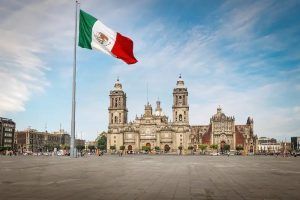
The Historic Center of Mexico City offers a vibrant glimpse into the city’s past. You can start your visit at the Zócalo, one of the largest public squares in the world. Here, you’ll find the Metropolitan Cathedral and the National Palace, both of which showcase stunning architecture. As you explore, you will notice how colonial-era buildings coexist with modern establishments, creating a unique urban landscape. Wandering through the narrow streets, you can visit small museums, shops, and cafes that add to the charm of this area.
In addition to its historical significance, the Historic Center is also a cultural hub. Street performers, artists, and musicians add to the lively atmosphere. Moreover, several festivals and events take place here throughout the year, offering visitors a chance to experience local traditions. As you continue your walk, you will come across unique sites like the Templo Mayor, an ancient Aztec temple blending pre-Hispanic history with colonial influence. Without a doubt, this area is a must-see for anyone visiting Mexico City.
https://www.centrohistorico.cdmx.gob.mx/
2. National Museum of Anthropology
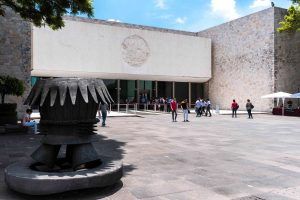
The National Museum of Anthropology is one of the most important cultural institutions in Mexico City. Located within Chapultepec Park, it features an extensive collection of artifacts from Mexico’s indigenous civilizations. As you enter the museum, you are greeted by a striking courtyard, which serves as the heart of this expansive museum. The galleries take you through Mexico’s rich history, from the ancient Maya and Aztec cultures to lesser-known civilizations like the Olmecs and Mixtecs.
Inside the museum, you can see iconic artifacts such as the Aztec Sun Stone and the colossal Olmec heads. These pieces, along with numerous others, offer a deep dive into Mexico’s cultural and historical heritage. In addition to its permanent exhibits, the museum hosts temporary exhibitions that highlight different aspects of Indigenous culture. With its educational and visually stunning displays, the museum is a must-visit for anyone interested in understanding Mexico’s history.
3. Frida Kahlo’s Home
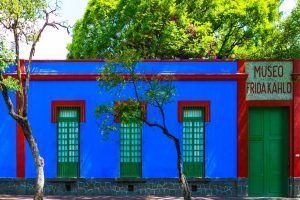
Casa Azul, also known as the Blue House, offers a deep dive into the life and art of the iconic Frida Kahlo, providing visitors with a profound and intimate understanding of the famed artist. As you step into this vibrant and enchanting space, you are greeted by the vivid blue walls and the lush foliage of the surrounding gardens, setting the stage for a journey through Kahlo’s world. The house exudes a sense of mystery and wonder, offering insights into Kahlo’s personal struggles, her creative process, and the myriad influences that shaped her unique artistic vision. It’s a place where her spirit and creativity seem to linger, inviting visitors to explore her life and work in a deeply personal way.
At Casa Azul, you can admire not only Kahlo’s captivating paintings but also her personal belongings, which offer a glimpse into the inner workings of her mind and heart. The studio where she brought her masterpieces to life stands as a sacred space, embodying the essence of her creative genius. Moreover, Casa Azul commemorates Kahlo’s tumultuous relationship with fellow artist Diego Rivera, offering a perspective into their intertwined lives and the impact they had on each other’s art. It’s a place of profound inspiration, where visitors can connect with the indomitable spirit of Frida Kahlo and gain a profound appreciation for the depth and complexity of her artistic legacy.
https://www.museofridakahlo.org.mx/
4. Palacio de Bellas Artes

The Palacio de Bellas Artes is a cultural icon in Mexico City, renowned for its stunning Art Nouveau and Art Deco architecture. Inside, visitors can view murals by famous Mexican artists such as Diego Rivera and David Alfaro Siqueiros. The building also serves as a performance venue for opera, ballet, and concerts. Its blend of artistic and architectural significance makes it one of the most visited places in the city.
Apart from its artistic offerings, the Palacio is conveniently located near Alameda Central Park, a beautiful place for a stroll. Nearby cafes and shops are perfect for relaxing after a cultural tour. By visiting the Palacio de Bellas Artes, you not only get a glimpse of Mexico’s artistic heritage but also experience its vibrant contemporary culture.
https://mexicocity.cdmx.gob.mx/venues/la-merced/
5. Teotihuacan
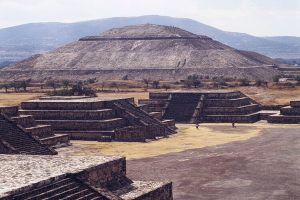
Embark on a day trip to Teotihuacan, an archaeological wonder located just outside the city. Climb the Pyramid of the Sun, the third-largest pyramid in the world, for breathtaking panoramic views of the sprawling ancient city. Explore the Avenue of the Dead, the central thoroughfare flanked by impressive structures, and visit the enigmatic Pyramid of the Moon. Admire the intricate murals and artifacts that offer insights into Teotihuacan’s once-thriving civilization.
From the bustling streets of the Historic Center to the cultural treasures within museums and the mystique of ancient ruins, Mexico City offers an enriching blend of history, art, cuisine, and adventure. Each experience contributes to the tapestry of this dynamic capital, inviting you to explore its depths and uncover the magic that makes it a truly unique destination.
6. Chapultepec Park
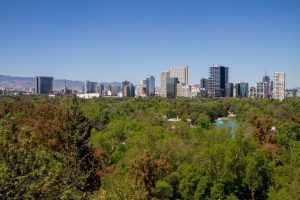
Chapultepec Park, one of the largest city parks in the world, offers a green oasis amidst the bustling city. Visitors can explore Chapultepec Castle, which sits atop a hill and offers panoramic views of Mexico City. The park is also home to the National Museum of Anthropology, showcasing Mexico’s pre-Hispanic civilizations. With lakes, museums, and gardens, Chapultepec is a great spot for both cultural and leisure activities.
The park’s central location and vast space make it ideal for families, joggers, and anyone looking to escape the city’s hustle. In addition, there are numerous food vendors and picnic spots, allowing visitors to enjoy local street food. Whether you want to relax by the lake or immerse yourself in Mexican history, Chapultepec Park caters to every kind of visitor.
7. Zócalo (Plaza de la Constitución)
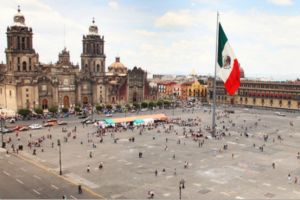
The Zócalo is Mexico City’s central plaza and a significant historical landmark. Surrounded by monumental buildings such as the National Palace and the Metropolitan Cathedral, this vast square has been the heart of political and cultural events for centuries. Visitors often begin their exploration here, as the Zócalo is an excellent starting point to learn about Mexico’s rich history. In addition, the plaza hosts several festivals and national celebrations throughout the year, making it a vibrant gathering space.
The Zócalo’s location makes it a gateway to other attractions. For instance, visitors can easily walk to the Templo Mayor, where they can explore the remains of an ancient Aztec temple. Moreover, it offers direct access to local shops and restaurants, providing a complete experience of Mexican culture. Whether you want to explore its history or simply enjoy the energy of the city, the Zócalo is a must-see for all travelers.
8. Coyoacán
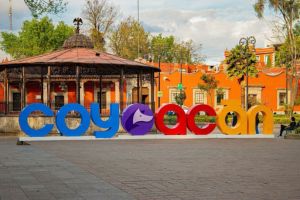
Coyoacán is one of Mexico City’s most picturesque and culturally rich neighborhoods. Known for its colonial architecture and cobblestone streets, it has been a hub for artists and intellectuals for decades. Visitors can explore its vibrant markets, such as the Mercado de Coyoacán, to enjoy traditional Mexican food and crafts. The neighborhood is also home to cultural landmarks, including the Frida Kahlo Museum and the León Trotsky House Museum.
Coyoacán’s tree-lined plazas and bustling streets are ideal for a relaxed day of exploration. The local cafés and artisanal shops provide a charming atmosphere that contrasts with Mexico City’s urban hustle. Whether you’re interested in history, art, or simply soaking in the local culture, Coyoacán offers a unique experience.
9. Templo Mayor
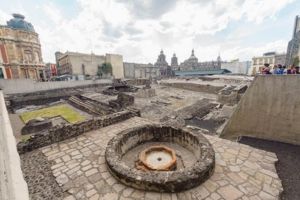
Templo Mayor is an archaeological site in the heart of Mexico City, showcasing the ruins of the ancient Aztec capital, Tenochtitlan. This temple was once the center of religious ceremonies for the Aztecs, and its remains give insight into their powerful empire. The on-site museum houses artifacts from the excavation, providing additional context to the ancient civilization.
A visit to Templo Mayor offers a chance to explore Mexico’s pre-Columbian history in the middle of the modern city. Its location near the Zócalo makes it easy to combine with other attractions. Walking through the site, you can reflect on the contrasts between Mexico’s rich past and its bustling present.
10. Basilica of Our Lady of Guadalupe
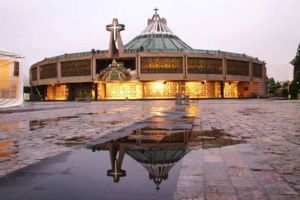
The Basilica of Our Lady of Guadalupe is one of the most visited religious sites in the world. Dedicated to the Virgin of Guadalupe, it attracts millions of pilgrims annually. The basilica is located at the foot of Tepeyac Hill, where the Virgin is said to have appeared to Juan Diego. Inside, visitors can view the famous cloak with the Virgin’s image.
The surrounding area includes a museum and other religious buildings that add to the site’s significance. Whether religious or simply interested in Mexican culture, visiting the basilica offers an inspiring glimpse into the country’s spiritual traditions.
FAQs
When is the best time to visit Mexico City for outdoor activities?
The dry season lasts from November to April and is ideal for outdoor activities in Mexico City. The weather is pleasant, and you can explore the city’s parks, archaeological sites, and attractions without worrying about heavy rain. However, downpours might affect outdoor plans during the rainy season from May to October, so it’s best to check the weather forecast and plan accordingly.
How can I avoid peak tourist crowds in Mexico City?
Plan your visit outside significant holidays, school breaks, and festival times to avoid peak tourist crowds. Off-peak seasons typically offer shorter lines at attractions, more availability for accommodations, and lower prices. You can still enjoy the city’s rich culture and attractions without the hustle and bustle that comes with peak travel periods.
Do I need to speak Spanish when visiting Mexico City?
While many people working in tourism speak English, knowing some basic Spanish will significantly improve your experience in Mexico City. Communicating in Spanish can make interactions smoother and more enjoyable, especially in traditional markets and neighborhoods. Familiarizing yourself with simple phrases can also help you show respect for the local culture.
Leave a Reply