
¿Qué vas a encontrar aquí?
A museum is an establishment that has a specific purpose of assembling, protecting, and showcasing different objects and artifacts that hold cultural, scientific, historical, or artistic importance for the public’s entertainment and education. Museums come in various sizes, from well-known institutions like the Louvre in Paris, the British Museum in London, or the Metropolitan Museum of Art in New York City, to smaller community-based museums that focus on a specific theme or topic. Along with exhibitions, museums may also offer additional educational programs, tours, workshops, and activities that aim to attract visitors and promote learning. In this article we will be talking about Top 10 Best Museums in Mexico City.
Exploring The Best Museums In Mexico City
Mexico City is a destination packed with interesting activities, especially for culture lovers, as the city boasts a remarkable collection of museums. In fact, the concentration of museums in the city is one of the highest in the world. According to locals, Mexico City can hold its own against famous cultural capitals such as London and Rome. Here are some of the most popular museums in Mexico City worth a visit.
1.- Frida Kahlo Museum

The Frida Kahlo Museum, located in Mexico City’s Coyoacán district, is one of the city’s top museums. The museum, which is dedicated to the life and works of Mexican artist Frida Kahlo, attracts many visitors daily, and there is always a long line at its bright blue entrance. Kahlo was a well-known artist in the 20th century, famous for her self-portraits and colorful relationships with eccentric individuals like the artist Diego Rivera and the communist Leon Trotsky. Despite the long queue, it’s worth the wait to explore this iconic museum and learn about Kahlo’s fascinating life.
https://www.museofridakahlo.org.mx/?lang=en
2.- Leon Trotsky Museum

Also situated in Coyoacán is the Leon Trotsky Museum, a museum dedicated to the life of the infamous communist revolutionary, Leon Trotsky. Stalin exiled Trotsky from the Soviet Union, and he sought refuge in Mexico City, where he continued writing socialist literature. While living in Mexico, Trotsky had a scandalous affair with Frida Kahlo, and his public life eventually led to his assassination in his own house by Stalin’s assassins. The museum, which is the house where the murder occurred, offers an insight into Trotsky’s life and the history of communism and the Soviet Union in Mexico.
3.- Museo Nacional de Antropología (MNA)
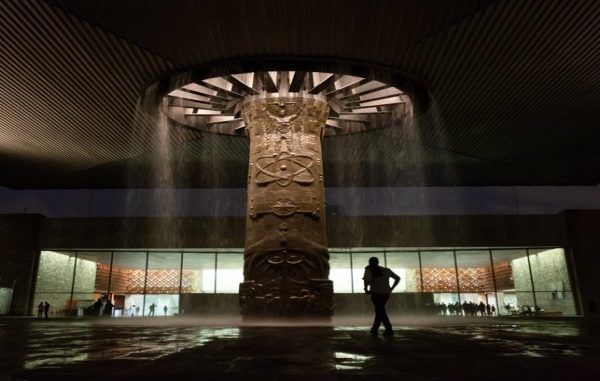
The Museo Nacional de Antropología (MNA) is one of the largest museums in the world, offering an extensive collection of exhibits. This impressive museum provides a journey through Mexican history and culture, with a focus on the people. It starts with the prehistoric age, then moves slowly through the Mayan and Aztec history, followed by the Spanish colonial era, and then onto the modern era. It is located by Chapultepec Park, and it is advisable to allocate enough time to explore the exhibits fully. A big restaurant and café inside offer an ideal break if you need one.
4.- MUAC University Museum of Contemporary Art

The University Museum of Contemporary Art (MUAC) is one of the most prominent cultural spaces in Mexico City. Inaugurated in November 2008 and designed by architect Teodoro González de León, this museum combines functionality and beauty in its architecture. The MUAC is a multimodal venue that allows the exhibition of retrospective works and has facilities designed specifically for this building.
One of the museum’s most interesting proposals is the Experimental Sound Space, a dark room where sound works of various types are created. Here, visitors can immerse themselves in unique listening experiences and explore the intersection between contemporary art and sound.
5.- Munal National Art’s Museum
The Palace of the Secretariat of Communications and Public Works is a historic building located in Mexico City. Designed by Italian architect Silvio Contri, construction began in 1904. This majestic building is home to rich history and impressive architecture.
Inside, visitors are greeted by a beautiful staircase with marble steps that have stood the test of time. In addition, the lobby has striking marble sculptures of French influence, such as the famous work “Malgré Tout” by Jesús Fructuoso Contreras (1882-1948).
The museum’s collection is diverse and spans from the viceregal era to the mid-20th century. Here, art lovers can explore a variety of works and styles, immersing themselves in the history and creativity of different eras.
6.- Museum of the Palace of Fine Arts
The Palace of Fine Arts is an emblematic building in Mexico City. Its construction began in 1904 during the dictatorship of Porfirio Díaz, and its interiors were designed in the decades after the Mexican Revolution. This majestic building combines architectural elements from different periods and styles.
One of the highlights of the Palace of Fine Arts is its impressive Art Deco-style lobby. Inside, visitors can explore several exhibition rooms dedicated to visual and historical arts. However, what really dominates the walls are the murals by some of the greatest Mexican muralists, such as Diego Rivera, David Alfaro Siqueiros, José Clemente Orozco, Roberto Montenegro and Jorge González Camarena.
These murals tell powerful stories and reflect the identity and culture of Mexico. If you have the opportunity to visit the Palace of Fine Arts, an unforgettable cultural experience awaits you.
https://museopalaciodebellasartes.inba.gob.mx/
7.- Jumex Museum

Eugenio López Alonso’s contemporary art collection began in the 1990s and is one of the most extensive and important in Latin America. Starting in November 2013, this collection became even closer to the city’s residents with a new headquarters that functions as the main exhibition space of the Jumex Foundation for Contemporary Art.
The British architect David Chipperfield, who was part of the Tate Modern and the River and Rowing Museum in Henley-on-Thames, designed this building, being his first work in Latin America.
https://www.fundacionjumex.org/en
8.- Tamayo Museum of Contemporary Art

The Tamayo Museum of Contemporary Art is a place appreciated by art lovers due to its avant-garde exhibitions and its impressive collection of works by Rufino Tamayo. Donated by the artist himself for the creation of the museum. Additionally, the museum has an international collection spanning the 1960s and 1970s.
The transformation of this space was carried out by architect Teodoro González de León, who, together with Abraham Zabludovsky, developed the original project. The result is a museum that combines artistic vision with significant architecture.
9.- Dolores Olmedo Museum
The House of Dolores Olmedo is more than a museum; It is a true oasis on the south side of the city. By strolling through the gardens of this former plantation in La Noria, visitors can immerse themselves in a natural and tranquil environment.
Dolores Olmedo’s life was as vibrant as her art collection. As a friend and benefactor of Diego Rivera, the main treasure of her collection are the works of the famous painter, as well as those of her most beloved women: her first wife, Angelina Beloff, and Frida Kahlo. However, keep in mind that Frida Kahlo’s paintings constantly travel around the world and are therefore not always on display during a museum visit.
https://www.museodoloresolmedo.org.mx/
10.- Old School Museum of San Ildefonso
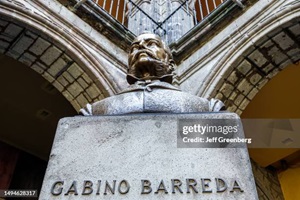
The Old School of San Ildefonso has a fascinating history. Over the centuries, this building has played various roles. Since its founding in 1588, the Jesuits taught classes here. At different times, it also served as a barracks for the Mexican army and again as a school. However, in 1867, the government of Benito Juárez established the space as the National Preparatory School, a function it maintained until its closure in 1978. Then, in 1992, it reopened as a cultural space.
Inside, there are various murals by artists such as Jean Charlot, David Alfaro Siqueiros, José Clemente Orozco and La Creación, the first mural by Diego Rivera. This place is a living testimony of the history and creativity that have left their mark on Mexico.
https://www.sanildefonso.org.mx/
Faq´s
What Makes Museums in Mexico City Unique?
Museums in Mexico City are unique due to several factors:
- Ancient Civilizations: Mexico City has been inhabited for thousands of years. And its museums offer a unique insight into the ancient civilizations that once thrived in the region. The National Museum of Anthropology is one of the world’s most important museums of pre-Columbian art. And houses an impressive collection of artifacts from Mexico’s ancient civilizations, including the Aztecs and the Mayans.
- Colonial Architecture: Mexico City has a rich colonial history, and this is reflected in its museums. Which are often housed in colonial-era buildings. The Museum of the Templo Mayor, for example. Is built on top of the ruins of an Aztec temple and is housed in a colonial-era palace.
- Artistic and Cultural Heritage: Mexico City is renowned for its artistic and cultural heritage, which is reflected in its museums. The Museum of Modern Art houses an impressive collection of Mexican modern art. While the National Museum of Popular Culture showcases Mexico’s vibrant folk art and cultural traditions.
- World Heritage Sites: Mexico City has several World Heritage Sites. Including the historic center of the city and the ancient city of Teotihuacan. Museums in the city often offer insights into these sites. And visitors can learn more about their history and cultural significance.
- Accessibility: Finally, Mexico City’s museums are easily accessible, with many located in the city center and close to public transportation. This makes them an ideal destination for tourists and locals alike.
What Are The Most Popular Things In A Museum In Mexico City?
Mexico City is home to several museums with diverse collections that attract a wide range of visitors. Some of the most popular things to see and experience in these museums include:
- Pre-Columbian Artifacts: Mexico has a rich pre-Columbian history. And museums in Mexico City showcase an impressive collection of artifacts from this era. The National Museum of Anthropology is one of the most popular museums in Mexico City. With an extensive collection of pre-Columbian art, including the Aztec Calendar Stone.
- Colonial Art and Architecture: Mexico City is also known for its colonial-era art and architecture, which is reflected in its museums. The Museum of the Templo Mayor, for example. Showcases the remains of an Aztec temple that was destroyed during the Spanish conquest of Mexico.
- Mexican Modern Art: The Museum of Modern Art in Mexico City is another popular museum. With an extensive collection of Mexican modern art. The museum showcases works by some of Mexico’s most famous artists, including Diego Rivera, Frida Kahlo, and David Alfaro Siqueiros.
- Folk Art and Cultural Traditions: Mexico is known for its vibrant folk art and cultural traditions. And museums in Mexico City offer a glimpse into this aspect of Mexican culture. The National Museum of Popular Culture showcases traditional costumes, textiles, and crafts from various regions of Mexico.
- World Heritage Sites: Mexico City is home to several World Heritage Sites. And museums in the city often offer insights into these sites. The National Museum of History, for example, is housed in the Chapultepec Castle. Which is located in the middle of Chapultepec Park, a UNESCO World Heritage Site. Visitors can learn about the castle’s history and its role in Mexican history.
Overall, museums in Mexico City offer a diverse range of exhibits and experiences, with something to appeal to everyone.
Leave a Reply